
Estate jewelry is previously owned jewelry, and the best of it carries the design language of the period that made it. Learning to read those periods is the heart of collecting, because the era shapes the metal, the cut of the stones, and the whole feeling of a piece. Charles Schwartz & Son, Washington DC’s oldest jeweler, founded in 1888, has bought and sold pieces from every one of these periods for more than 135 years, from The Willard Hotel in Washington and the Barlow Building in Chevy Chase, Maryland. Summer estate sales and travel often turn up inherited pieces, so it is a natural season to learn what you are holding. This guide walks through the major eras of antique and vintage jewelry, what defines each one, and how to collect estate jewelry in Washington with a clear eye for quality and history.
What Estate Jewelry Actually Is
Estate jewelry simply means jewelry that has had a previous owner, regardless of age. Within that broad term, jewelers use two narrower words. Antique describes a piece roughly 100 years old or more, while vintage usually means a piece at least 20 to 30 years old but not yet antique. A ring from the 1960s is vintage and estate, an Edwardian brooch is antique and estate, and both may be beautifully made. What matters most to a collector is condition, quality, and the period the piece belongs to.
Reading the Eras
Each design period has a recognizable signature in its metals, settings, and stones. The table below is a quick reference, and the notes that follow add detail.
| Period | Approximate Dates | Signature Traits |
|---|---|---|
| Georgian | 1714 to 1837 | Handmade settings, closed backs, rose cut and old mine cut stones, high rarity |
| Victorian | 1837 to 1901 | Yellow gold, sentimental motifs, lockets and mourning pieces, seed pearls |
| Edwardian | 1901 to 1915 | Platinum, lace-like filigree, millegrain edges, diamonds and pearls |
| Art Deco | 1920 to 1939 | Bold geometry, calibré-cut colored stones, platinum, strong contrast |
| Retro | 1940 to 1955 | Large rose and yellow gold forms, scrolls and ribbons, cocktail glamour |
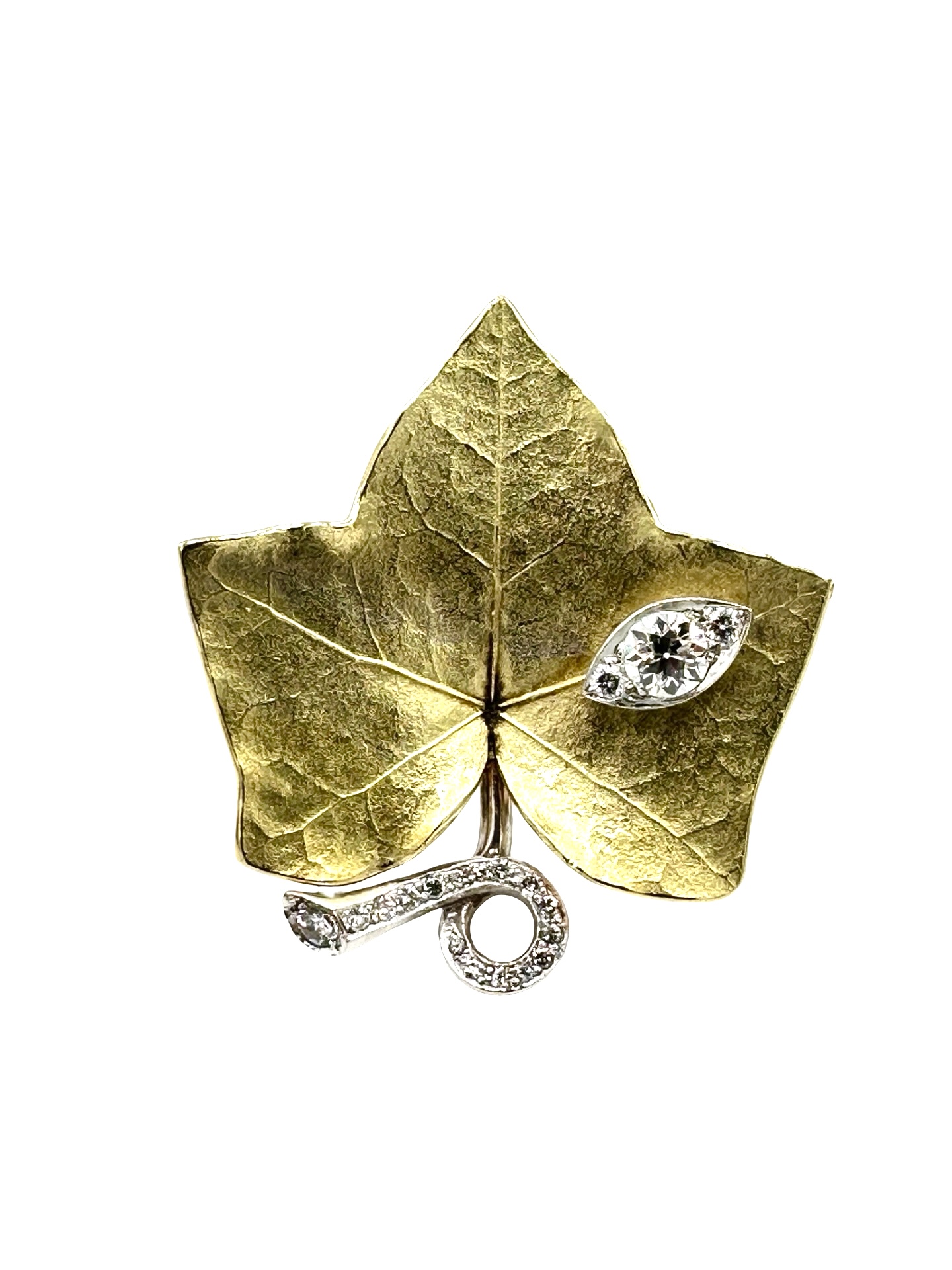
| Mid-Century Modern | 1945 to 1970 | Sculptural gold, textured surfaces, bold colored stones, confident postwar design |
Georgian and Victorian
The Georgian period produced entirely handmade pieces, and genuine examples are scarce, which makes them prized among serious collectors. The Victorian era that followed favored warm yellow gold and sentiment, with lockets, mourning jewelry, and snake motifs that stood for eternal love. Queen Victoria herself set many of these fashions.
Edwardian and Art Deco
The Edwardian period used newly workable platinum for delicate, lace-like designs set with diamonds and pearls. The Art Deco years that followed broke sharply toward bold geometry and vivid color, with houses such as Cartier pairing calibré-cut rubies, sapphires, and emeralds against platinum and diamonds.
Retro and Mid-Century
The Retro years answered a hard decade with Hollywood glamour, using big sweeps of rose and yellow gold in scrolls and ribbons. The Mid-Century Modern period that followed brought sculptural gold, textured surfaces, and a confident postwar spirit that remains highly wearable today.
How to Collect Estate Jewelry Well
A few habits protect you as a buyer. Examine condition closely, since worn prongs, thin shanks, and loose stones are common in pieces that have been stored rather than worn. Look for hallmarks that confirm the metal, and ask about any repairs or replaced parts, which are normal in older pieces and worth knowing about. According to the Gemological Institute of America, having a gemological report or appraisal completed before you buy or sell documents the quality of the stones and any treatments, both of which affect value. For a signed piece by a known maker, provenance and paperwork add real confidence.
Buying Estate Jewelry in Washington DC
For estate jewelry, DC has long been a city where fine pieces circulate through diplomatic, political, and family life, and a knowledgeable jeweler is the best guide to what is genuine and what it is worth. An established house can date an unsigned piece, assess condition honestly, and stand behind what it sells. Charles Schwartz & Son buys and sells estate, antique, and vintage jewelry at both the Washington and Chevy Chase locations, and offers appraisals with no obligation.
Bring Your Estate Pieces to Charles Schwartz & Son
Whether you have inherited a strand of pearls, want to date a brooch you were left, or are looking to add a period piece to your collection this summer, it helps to sit with someone who handles these eras every day.
Visit us at The Willard Hotel in Washington or the Barlow Building in Chevy Chase, Maryland, and we will help you Explore estate jewelry in Washington DC from every period.
Key Takeaways
- Estate jewelry in DC means any previously owned piece, with antique describing items around 100 years old and vintage those 20 to 30 years old.
- Each era has a signature: Georgian handwork, Victorian gold and sentiment, Edwardian platinum lace, Art Deco geometry, and Retro glamour.
- Metal, setting style, cut of the stones, and hallmarks together help date an unsigned piece.
- Check condition carefully and ask about repairs or replaced parts, which are normal in older jewelry.
- A gemological report or appraisal before you buy or sell documents quality and value, per the GIA.
- Charles Schwartz & Son, founded in 1888, buys, sells, and appraises estate jewelry at The Willard Hotel and in Chevy Chase, Maryland.
Frequently Asked Questions
What is the difference between estate, antique, and vintage jewelry?
Estate jewelry is any piece that has had a previous owner. Antique refers to pieces roughly 100 years old or more, while vintage generally means pieces at least 20 to 30 years old but not yet antique, so a piece can be both estate and vintage at once.
How can you tell which era a piece of jewelry is from?
The era shows in the metal, the setting style, the cut of the stones, and any hallmarks, read together. Platinum filigree and millegrain point to the Edwardian period, bold geometry and calibré-cut color point to Art Deco, and a specialist can usually place a piece within a generation.
Is estate jewelry a good value?
Estate jewelry often offers craftsmanship and design that would be costly to reproduce today, which can make it excellent value. The key is condition and quality, so a professional appraisal before you buy, as the GIA recommends, protects your investment.
Where can I buy estate jewelry in Washington DC?
Charles Schwartz & Son buys, sells, and appraises estate, antique, and vintage jewelry at two locations. You can view period pieces and speak with a specialist at The Willard Hotel in Washington or the Barlow Building in Chevy Chase, Maryland.
Glossary
- Estate jewelry: any jewelry that has had a previous owner, regardless of age.
- Antique: an item roughly 100 years old or more.
- Vintage: a piece generally 20 to 30 years old but not yet antique.
- Georgian era: the 1714 to 1837 period of handmade jewelry with rose and old mine cut stones.
- Victorian era: the 1837 to 1901 period known for yellow gold and sentimental motifs.
- Edwardian era: the early 1900s period of delicate platinum filigree set with diamonds and pearls.
- Art Deco: the 1920s and 1930s movement of bold geometry and vivid color.
- Retro: the 1940s and early 1950s style of large gold forms and cocktail glamour.
- Hallmark: a stamp certifying the metal content of a piece.
- Provenance: the documented history of ownership of a piece.


