
When clients ask what makes a gemstone truly rare, they often expect a simple answer about availability. After over 135 years working with fine jewelry in Washington DC, we’ve found that true rarity isn’t about how few exist. It’s the convergence of beauty, durability, and geological conditions so specific they might occur in only a handful of places on earth.
Diamonds have dominated the conversation around precious stones for generations, but many gemstones are considerably rarer. We’re talking about stones that demand a perfect alignment of circumstances: the right chemical elements, precise pressure and temperature, all occurring in perhaps three or four locations worldwide where conditions align just so.
Understanding what makes a gemstone rare helps you move beyond assumptions. Whether you’re choosing an engagement ring, building a meaningful collection, or creating a custom piece, knowing what you’re looking at changes how you see it.
What Defines a Rare Gemstone?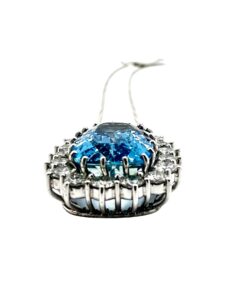
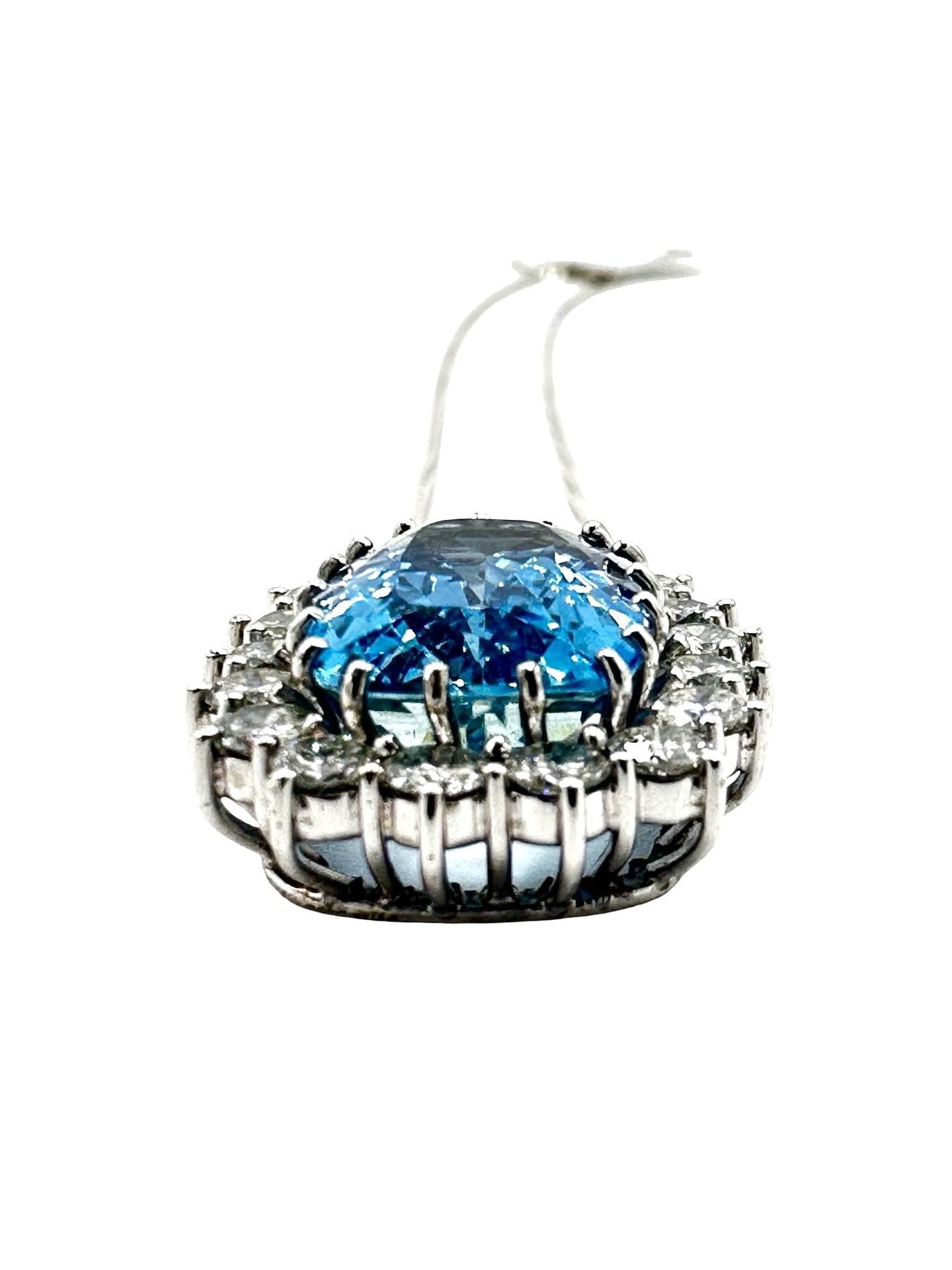
Rarity in gemstones comes down to several key factors that work together. Geographic limitation plays a significant role because some gems form only under very specific conditions found in just one or two places on earth. The chemical composition matters too, as certain elements rarely interact in nature to create gem-quality stones. Mining difficulty and the percentage of material that reaches gem quality also contribute to scarcity.
Over our century-plus of experience, we’ve observed that truly rare gemstones share certain characteristics. They require unusual geological circumstances to form, they’re found in limited locations worldwide, and only a small fraction of discovered material meets the standards for fine jewelry. The International Gem Society notes that while over 300 types of minerals have been used as gemstones, only a fraction are commercially viable, and fewer still qualify as genuinely rare.
Colored Sapphires: Beyond the Blue
Most people think of sapphire as exclusively blue, but this versatile corundum family offers some of the jewelry world’s rarest colors. Pink sapphires range from delicate pastel to vivid hot pink, with the most saturated examples commanding premium prices. These gems were exceptionally scarce until deposits in Madagascar expanded availability in the 1990s, though fine specimens remain rare.
Purple and violet sapphires occupy a special niche in the colored stone market. Their rich hues appeal to clients seeking something distinctive, and untreated stones with good clarity are increasingly difficult to source.
The price range for fine colored sapphires varies considerably based on color saturation, clarity, and origin. Clients should expect to invest anywhere from several hundred to several thousand dollars per carat for exceptional stones, with unheated specimens commanding the highest prices.
Padparadscha Sapphire: The Rarest Corundum
Among all sapphire varieties, padparadscha stands apart. This rare gemstone displays a delicate blend of pink and orange that gemologists describe as reminiscent of a lotus blossom at sunset. The name itself comes from the Sinhalese word for the aquatic lotus flower, and the comparison captures the stone’s subtle beauty perfectly.
What makes padparadscha so rare is the precise balance of color required. Too much pink and it becomes a pink sapphire. Too much orange and it’s classified as an orange sapphire. Only stones showing that perfect marriage of both hues earn the coveted padparadscha designation. The Gemological Institute of America defines these gems as ranging from light to medium pinkish orange to orange-pink, and gemological laboratories worldwide follow strict criteria to determine which stones qualify. The color has a warmth and romance that appeals to those seeking something truly one of a kind.
Fancy Colored Diamonds: Nature’s Rarest Palette
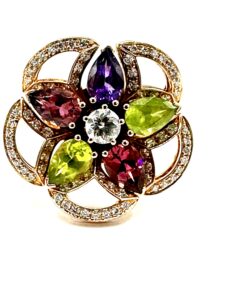
While colorless diamonds are relatively common compared to many gemstones, fancy colored diamonds represent some of nature’s true rarities. The Gemological Institute of America estimates that only one in 10,000 diamonds displays fancy color, and those reaching intense or vivid grades are rarer still. Among fancy colors, red diamonds are the scarcest, followed by blue, green, and orange.
Pink diamonds captured global attention when Australia’s Argyle mine closed in 2020, eliminating the world’s primary source. These gems now command unprecedented prices at auction, with even modest examples appreciating significantly. Blue diamonds owe their color to trace amounts of boron, and natural examples with strong saturation are extraordinarily rare. Green diamonds get their hue from radiation exposure over millions of years, making natural stones especially uncommon.
Yellow and brown fancy diamonds are more available than their rarer cousins, but vivid yellows still represent exceptional finds. The color grading for fancy diamonds differs entirely from the traditional D-to-Z scale, with terms like Fancy Light, Fancy Intense, and Fancy Vivid describing saturation levels.’
Paraiba Tourmaline: The Neon Discovery
Few gemstone discoveries have caused the excitement that paraiba tourmaline generated when it emerged from Brazil in the 1980s. This copper-bearing tourmaline displays an electric neon blue unlike anything else in nature. The vivid color comes from copper in the crystal structure, an element rarely found in tourmaline, which explains why these gems remained undiscovered for so long.
True paraiba from Brazil commands the highest prices, though similar material from Mozambique and Nigeria has expanded availability somewhat. The intense neon glow that characterizes the finest examples makes them instantly recognizable.
The stones work beautifully in contemporary designs and appeal to those building collections of exceptional-colored gems. Most paraiba tourmalines are relatively small, with stones over three carats considered significant and priced accordingly.
Alexandrite: The Color-Change Phenomenon
Alexandrite holds a special place among rare gemstones because of its remarkable color-change effect. Under daylight or fluorescent lighting, quality alexandrite appears green to blue-green. Switch to incandescent light and the same stone transforms to purplish red. This dramatic shift results from the way chromium in the crystal structure absorbs and reflects different wavelengths of light.
The original Russian deposits that gave alexandrite its name largely depleted decades ago, making fine examples increasingly scarce. Modern sources in Brazil, Sri Lanka, and East Africa produce stones, but examples showing a strong, distinct color change remain rare. The finest alexandrites display a clear shift from emerald green in daylight to ruby red in incandescent light, though most stones show less dramatic changes.
Understanding Gemstone Rarity: A Comparison
Pink Sapphire
- Primary Sources: Madagascar, Myanmar, Sri Lanka
- What Makes It Rare: Intense color saturation, limited deposits
Padparadscha Sapphire
- Primary Sources: Sri Lanka, Madagascar
- What Makes It Rare: Precise pink-orange color balance required
Fancy Colored Diamond
- Primary Sources: Various global sources
- What Makes It Rare: Only 1 in 10,000 diamonds shows fancy color
Paraiba Tourmaline
- Primary Sources: Brazil, Mozambique, Nigeria
- What Makes It Rare: Copper-bearing variety, electric neon color
Alexandrite
- Primary Sources: Brazil, Sri Lanka, Russia
- What Makes It Rare: Strong color-change effect, chromium content
Key Takeaways
- Gemstone rarity extends far beyond simple scarcity and encompasses the geological conditions, chemical composition, and aesthetic qualities that make certain stones exceptional.
- Colored sapphires offer accessible entry points into rare gemstones, with pink and padparadscha varieties providing distinctive alternatives to traditional choices.
- Fancy colored diamonds represent some of nature’s true rarities, particularly in red, blue, and green hues, with prices reflecting their scarcity.
- Paraiba tourmaline’s copper-bearing composition creates an unmistakable neon glow that remains highly sought after since its discovery in the 1980s.
- Alexandrite’s color-change phenomenon makes it one of the most fascinating rare gemstones, though finding examples with strong shifts between green and red requires patience and expertise.
- Working with a knowledgeable jeweler helps navigate the rare gemstone market and ensures you understand what you’re purchasing and why it holds value.
Finding Your Rare Gemstone with Washington DC Custom Jewelry Expertise
Discovering the right rare gemstone requires patience, education, and working with someone who understands both the stones themselves and your vision for how they’ll be worn or collected. Over more than a century of serving Washington DC, we’ve helped countless clients navigate the rare gemstone market, whether they’re seeking an engagement ring center stone, building a collection, or designing a special piece to mark a milestone.
Whether you’re looking to purchase or sell fine jewelry DC enthusiasts’ treasure, we provide expert guidance. We invite you to visit us and explore rare gemstones available firsthand. Seeing these stones in person, observing how light interacts with their unique characteristics, and handling them helps you understand what makes them special. Our team brings generations of expertise to every conversation, and we’re here to answer your questions, explain quality factors, and help you make decisions you’ll treasure for years to come. Contact Charles Schwartz & Son to begin your rare gemstone journey with Washington DC’s heritage jeweler.
Frequently Asked Questions
What makes a gemstone rare?
A gemstone qualifies as rare when it forms under unusual geological conditions, comes from limited geographic sources, and only a small percentage of discovered material meets gem-quality standards. According to the International Gem Society, over 300 mineral types have been used as gemstones, but only about 100 to 200 are commercially viable, and fewer still qualify as genuinely rare. The combination of beauty, durability, and scarcity determines whether a gemstone achieves rare status in the jewelry market.
Are colored sapphires rarer than diamonds?
Yes, many colored sapphires are significantly rarer than diamonds. While colorless diamonds are relatively common in gem-quality form, certain sapphire colors like padparadscha or vivid pink appear much less frequently in nature. The Gemological Institute of America notes that specific color combinations and saturations in sapphires occur in only limited deposits worldwide, making exceptional examples scarcer than comparable diamonds. Geographic concentration also plays a role, as some sapphire colors come from just one or two locations on earth.
Where can I buy rare gemstones in Washington DC?
Charles Schwartz & Son has served Washington DC for over 135 years as a trusted antique jewelry store DC clients rely on for rare and exceptional gemstones. We sell fine jewelry featuring these extraordinary stones and work directly with clients to explain quality factors, and ensure you understand what makes your gemstone special.
How do I know if a rare gemstone is authentic?
Authentic rare gemstones should come with certification from respected gemological laboratories like the Gemological Institute of America or the International Gem Society. Professional gemologists examine stones using specialized equipment to verify identity, assess treatments, and document quality characteristics. Working with an established jeweler with decades of experience provides additional assurance. Always request documentation for any rare gemstone purchase and understand exactly what treatments, if any, the stone has received.
Where can I sell jewelry with rare gemstones in Washington DC?
If you’re wondering where to sell jewelry in DC, Charles Schwartz & Son offers professional evaluations and purchasing services for fine jewelry featuring rare gemstones. As an established antique jewelry store with over a century of expertise, we understand the true value of exceptional pieces. Whether you’re looking to sell fine jewelry Washington DC collectors and connoisseurs will appreciate, or you have heirloom pieces with rare stones, our team provides honest assessments and competitive offers based on current market conditions.
Sources
International Gem Society – Ten Gemstones Rarer Than Diamond: https://www.gemsociety.org/article/ten-gemstones-rarer-than-diamond/
Gemological Institute of America – Rare Stones in Demand: https://www.gia.edu/gems-gemology/spring-2015-gemnews-rare-stones-in-demand
Wikipedia – Gemstone: https://en.wikipedia.org/wiki/Gemstone
With Clarity – The History of Pink Sapphire: https://www.withclarity.com/blogs/gemstone/pink-sapphire-history
Rio Tinto – Argyle Diamond Mine: https://www.riotinto.com/en/operations/anz/western-australia/argyle
GIA – Geographic Origin Determination of Paraíba Tourmaline: https://www.gia.edu/gems-gemology/winter-2019-paraiba-tourmaline-geographic-origin-determination
The Natural Sapphire Company – Padparadscha Sapphires: https://www.thenaturalsapphirecompany.com/education/sapphire-colors-varieties/padparadscha-sapphires/
GIA – Alexandrite History and Lore: https://www.gia.edu/alexandrite-history-lore


