
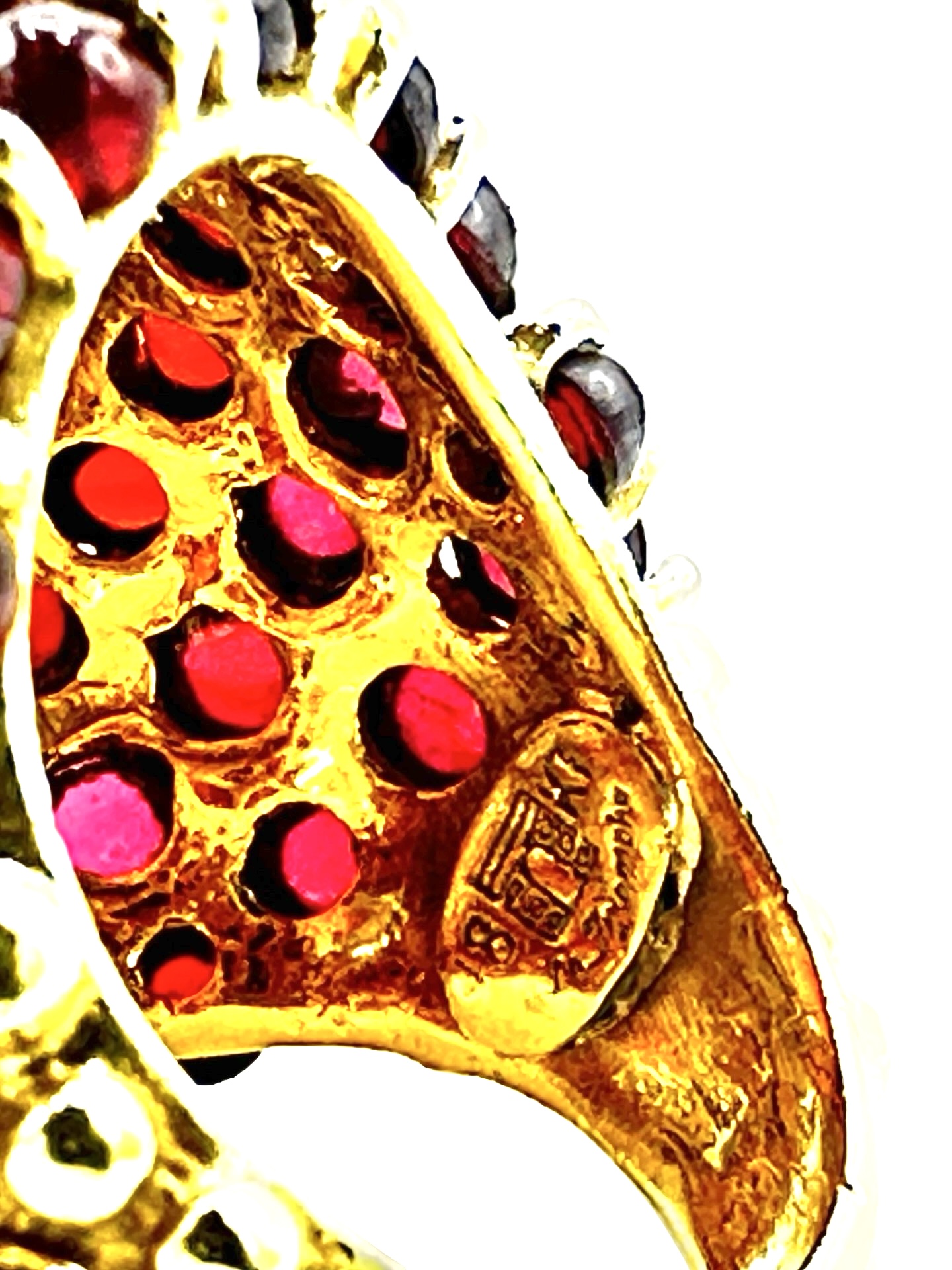
You’ve inherited your grandmother’s antique jewelry ring, and inside the band you spot tiny markings: “14K,” “925,” or maybe a minuscule leopard’s head. These aren’t decorative flourishes. They’re hallmarks, and they tell the complete story of your jewelry’s metal content, origin, and authenticity. After more than 100 years of examining fine jewelry, our expert jewelers at Charles Schwartz have learned that understanding these marks transforms confusion into confidence. Let’s decode what those stamps mean.
The Protection Built Into Fine Jewelry: Insights from a DC Jeweler
Hallmarks are official stamps placed on precious metal jewelry to guarantee its metal content and quality. Think of them as a piece’s birth certificate. The Goldsmiths’ Company Assay Office explains that this system began in 1300 when King Edward I required silver items to meet sterling standard and be marked with a leopard’s head before sale. It was one of history’s earliest forms of consumer protection, and it still protects you today.
Here’s why that matters: gold and silver in their pure states are too soft for everyday wear, so jewelers mix them with other metals for strength. Without hallmarks, you’d have no way to verify what you’re actually buying. A gold-plated piece can look identical to solid gold when new, but hallmarks reveal the truth.
What Hallmarks Tell You About Your Antique Jewelry
Most jewelry carries several types of marks, each serving a specific purpose. The Federal Trade Commission notes that quality marks indicate the precious metal content in an item, while maker’s marks identify who created it.
Purity marks show the percentage of precious metal. According to Wikipedia’s comprehensive entry on sterling silver, the number “925” means the piece contains 92.5% pure silver and 7.5% other metals, usually copper. For gold, you’ll see karat marks: “14K” means 14 parts gold out of 24 total parts, which Jewelers Mutual Group specifies equals 58.3% pure gold.
Maker’s marks identify the manufacturer or designer. These might be initials, a company logo, or symbols registered to a specific jeweler. They’re like a signature, showing who takes responsibility for the piece’s metal content.
Assay office marks appear on British and European pieces. The Goldsmiths’ Company Assay Office documents that different symbols identify which official testing facility verified the metal: London used a leopard’s head, Birmingham an anchor, Sheffield a rose, and Edinburgh a castle. These offices have independently tested jewelry for over seven centuries.
Decoding Gold Hallmarks: The Karat System
Gold purity uses the karat system in the United States, where pure gold equals 24 karats. Jewelers Mutual Group breaks down the common markings: 10K gold contains 41.7% pure gold, 14K contains 58.3%, 18K contains 75%, and 22K contains 91.6%. The remaining percentage consists of alloy metals that add strength and sometimes alter the color.
Why mix gold at all? Pure 24K gold is simply too soft for rings and bracelets that face daily wear. The alloys make pieces durable enough to last generations while maintaining that beautiful golden appearance.
Understanding Silver Hallmarks
Silver stamps follow a simpler pattern. The Federal Trade Commission specifies that sterling silver must contain at least 925 parts per thousand pure silver. Wikipedia explains that sterling silver is composed by weight of 92.5% silver and 7.5% other metals, usually copper. This composition has remained standard since King Edward I established it in 1300, as documented by the Goldsmiths’ Company Assay Office.
You’ll most commonly see “925,” “Sterling,” or “Ster.” stamped on silver jewelry. All three indicate the same standard of quality. Some older pieces might show “coin silver” or “900,” meaning 90% pure silver, which the FTC notes was a historical American standard but is less common today.
Platinum Marks: The Heavyweight Champion
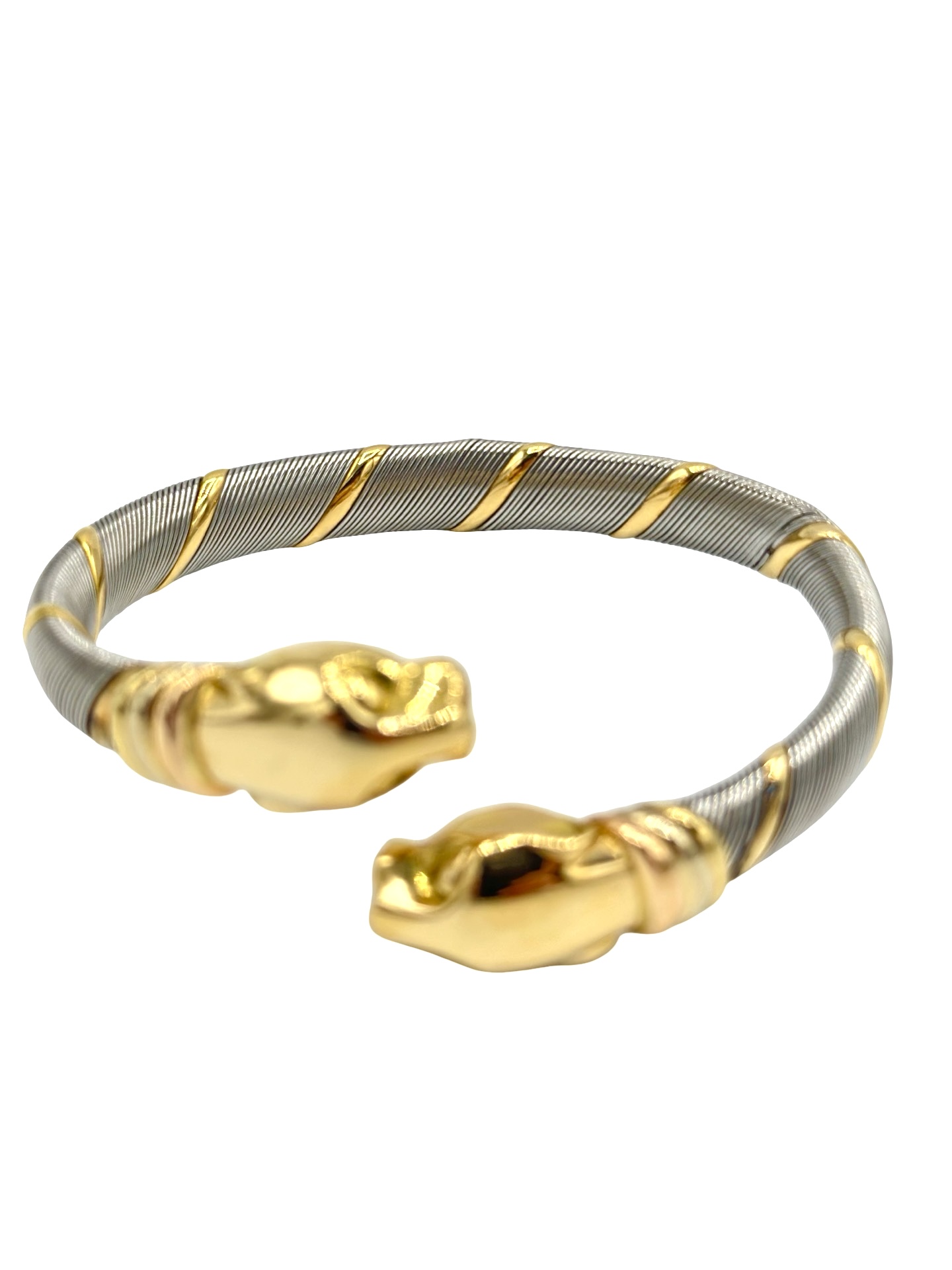
Platinum hallmarks indicate exceptional purity. According to the Federal Trade Commission, items marked “Platinum” without qualification must contain at least 95% pure platinum. You’ll see marks like “950” (95% platinum), “900” (90% platinum), or simply “PLAT” or “PT.”
Platinum pieces feel noticeably heavier than gold or silver of similar size because platinum is a denser metal. That weight, combined with its natural white color and resistance to tarnish, makes platinum particularly prized for engagement rings and fine jewelry.
DC Fine Jewelry Hallmarks: What You Need to Know
- Hallmarks are official stamps that guarantee jewelry’s metal content and authenticity, serving as consumer protection since 1300
- “925” or “Sterling” on silver means 92.5% pure silver, while gold karats like “14K” or stamps like “585” indicate gold percentages
- The FTC requires accurate purity markings on precious metal jewelry sold in the United States
- British hallmarks include maker’s marks, assay office symbols, and sometimes date letters that reveal a piece’s history
- “GP,” “GE,” and “GF” marks indicate plating or filling rather than solid precious metal throughout
Frequently Asked Questions
Why does my jewelry have a leopard’s head stamp?
That leopard’s head means your piece was tested at the London Assay Office. The Goldsmiths’ Company Assay Office notes that this mark has been used since 1300 when King Edward I required it on sterling silver, making it one of the world’s oldest hallmarks still in use.
Can hallmarks tell me where my jewelry was originally made?
British hallmarks provide precise geographic information through assay office marks. The Goldsmiths’ Company Assay Office notes that a leopard’s head indicates London, an anchor signifies Birmingham, a rose represents Sheffield, and a castle marks Edinburgh. American pieces rarely include location information in their hallmarks, typically showing only purity marks and sometimes maker’s marks.
Does 18K white gold contain any silver, or is it all gold?
The “18K” mark indicates 75% pure gold alloyed with other white metals, but typically not silver. According to Jewelers Mutual Group, white gold achieves its color through alloys such as palladium, nickel, or zinc mixed with the gold. Many white gold pieces are also rhodium-plated to enhance their brilliant white appearance, though this plating naturally wears over time.
Can old jewelry be valuable even without hallmarks?
Yes, particularly very old pieces made before hallmarking became widespread or universal. However, the Federal Trade Commission requires modern jewelry to be marked if it’s described as containing precious metals. For unmarked inherited pieces, professional testing can determine the actual metal content and value.
Visit Our Fine Jewelry Experts in Washington DC
After more than a century of examining fine jewelry in Washington DC, our jewelers at Charles Schwartz have decoded countless hallmarks and helped clients understand their antique jewelry pieces. Whether you’re curious about an inherited ring’s marks or want to verify the authenticity of a potential purchase, we’re here to help.
Stop by either location for an antique jewelry appraisal and to have our experienced DC fine jewelry experts examine your pieces and explain exactly what those hallmarks mean. We believe informed clients make confident decisions, and we’re always happy to share what we’ve learned over a century in business.
Sources
- Federal Trade Commission. “eCFR :: 16 CFR Part 23 — Guides for the Jewelry, Precious Metals, and Pewter Industries.” https://www.ecfr.gov/current/title-16/chapter-I/subchapter-B/part-23
- Federal Trade Commission. “Buying Platinum, Gold, and Silver Jewelry | Consumer Advice.” https://consumer.ftc.gov/node/77508
- The Goldsmiths’ Company Assay Office. “History of Hallmarking.” https://www.assayofficelondon.co.uk/about-us/history-of-hallmarking
- Jewelers Mutual Group. “Your guide to gold markings and stamps on jewelry.” https://www.jewelersmutual.com/resources/individuals/how-buy/your-guide-gold-markings-and-stamps-jewelry
- Wikipedia. “Sterling silver.” https://en.wikipedia.org/wiki/Sterling_silver


