
Every April, Washington DC transforms. The cherry blossoms along the Tidal Basin bloom for just a week or two before the petals fall, and the city pauses to take notice. It is one of those rare moments when the whole region seems to share the same color palette: soft pinks, warm peaches, and the faintest blush of orange at dusk. At Charles Schwartz and Son, we find ourselves thinking about that palette every spring, because it maps almost perfectly onto some of the most beautiful stones we work with. This is a guide to those stones, what they are, how they differ, and what to know before you fall in love with one.
Morganite: A Favorite Among DC Jewelers for Custom Jewelry
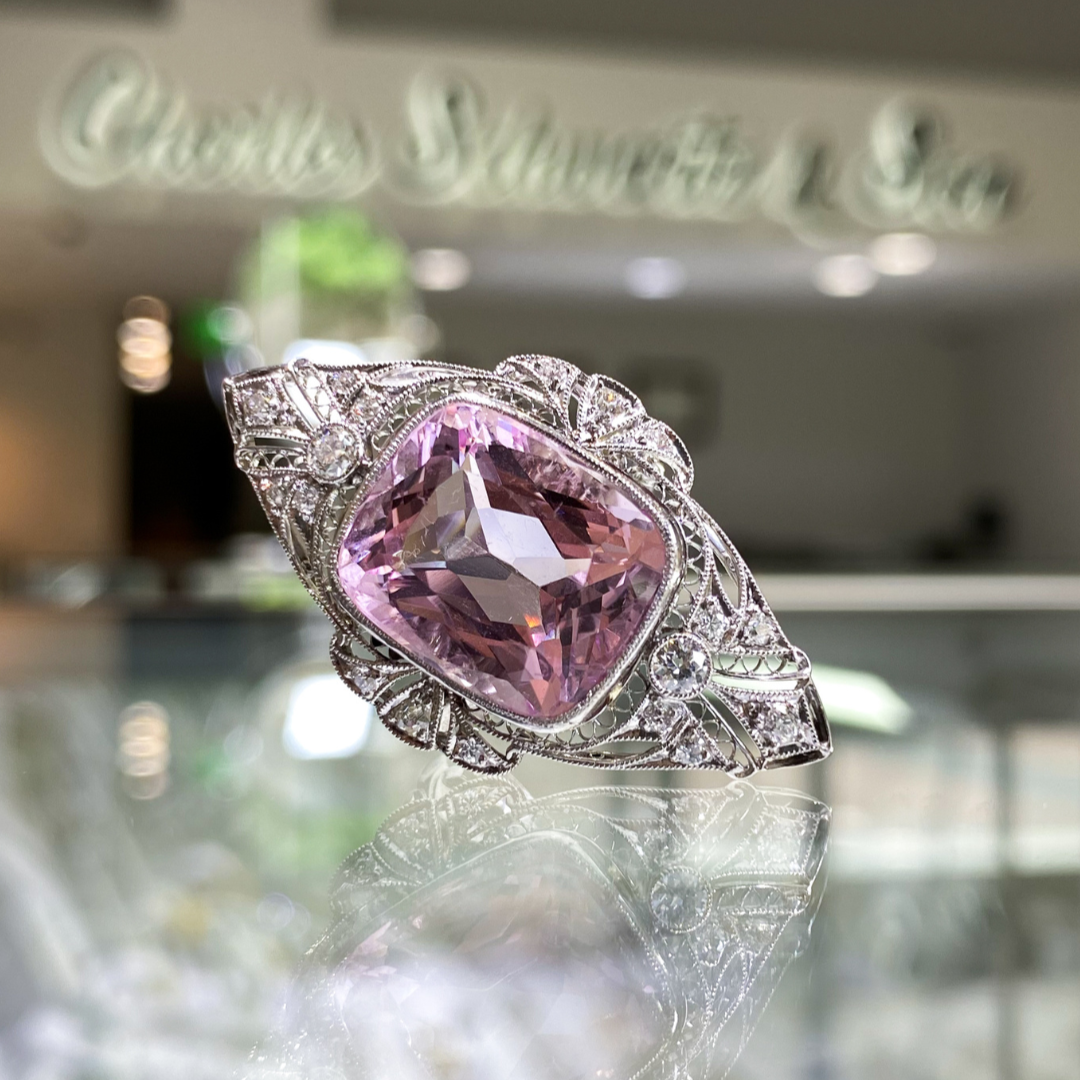
Morganite is a pink to peach colored variety of beryl, the same mineral family that includes emerald and aquamarine. Its color ranges from soft blush to warm salmon to a deeper rose, depending on the specimen and its origin. The stone gets its color from trace amounts of manganese in its crystal structure. According to the GIA Morganite Buyer’s Guide, it was named in honor of American financier and gem enthusiast J.P. Morgan following its discovery in Madagascar in 1910.
What makes morganite so appealing is the combination of qualities it offers. It is widely available in large sizes and considerably more accessible in price than many of the stones it resembles. The GIA Morganite Buyer’s Guide notes that strong hues in morganite are relatively rare and that gems often need to be cut large to achieve the finest color, which is part of why morganite tends to appear in generous, statement-making sizes.
Custom Jewelry Clients Love: What to Know Before You Buy
Morganite sits at 7.5 to 8 on the Mohs hardness scale. According to the GIA Morganite Engagement Ring Guide, this makes it suitable for everyday wear, though it is more vulnerable to scratching than harder stones like sapphire or diamond. It pairs well with rose gold, which complements its warm tones, and also works in yellow gold settings.
One thing worth knowing: many morganites on the market have been heat treated to enhance their pink color. The GIA considers this a standard and accepted practice, but it is always worth asking your jeweler for full disclosure on any treatments before purchasing.
 Pink Sapphire: Gold Jewelry Washington DC Collectors Rely On
Pink sapphire is corundum, the same mineral as blue sapphire and ruby, colored by traces of chromium. It sits at 9 on the Mohs scale, making it one of the hardest and most durable colored gemstones available. For anyone considering a pink stone for an engagement ring or a piece intended for daily wear, pink sapphire is the most practical choice in this color family.
The GIA Pink Gemstone Buying Guide explains that the distinction between pink sapphire and ruby comes down to color saturation. When red is the dominant hue, the stone is classified as a ruby. When pink is dominant, it is a pink sapphire. In practice the boundary is not always clear, and the GIA notes that different laboratories and gem producing nations sometimes classify the same stone differently.
Pink sapphires range from pale pastel to vivid magenta. At Charles Schwartz, we carry pink sapphires across a range of price points, from accessible fashion pieces to finer stones comparable to what we see in luxury estate jewelry Washington DC collectors bring in for appraisal.
Padparadscha Sapphire: The Crown Jewel of Antique Jewelry
Padparadscha is a variety of sapphire whose color falls within a very specific and narrow range: a delicate blend of pink and orange. The name comes from the Sinhalese word for lotus flower, and the stone has long been associated with Sri Lanka, where historically the finest examples have been found.
What makes padparadscha rare is not just its color but the precision required to qualify for the designation. According to the GIA Gem Encyclopedia, padparadscha is defined as a subtle mixture of pinkish orange to orangey pink at low to medium saturation. A stone with too much orange is classified as an orange sapphire. Too much pink and it is simply a pink sapphire.
Always ask for a grading report from an independent laboratory like the GIA before purchasing a padparadscha. Some stones are irradiated to produce a similar color, and the GIA notes that this treatment results in color that is unstable and will fade with prolonged exposure to light.
Rose Gold Jewelry: The Metal That Ties It Together
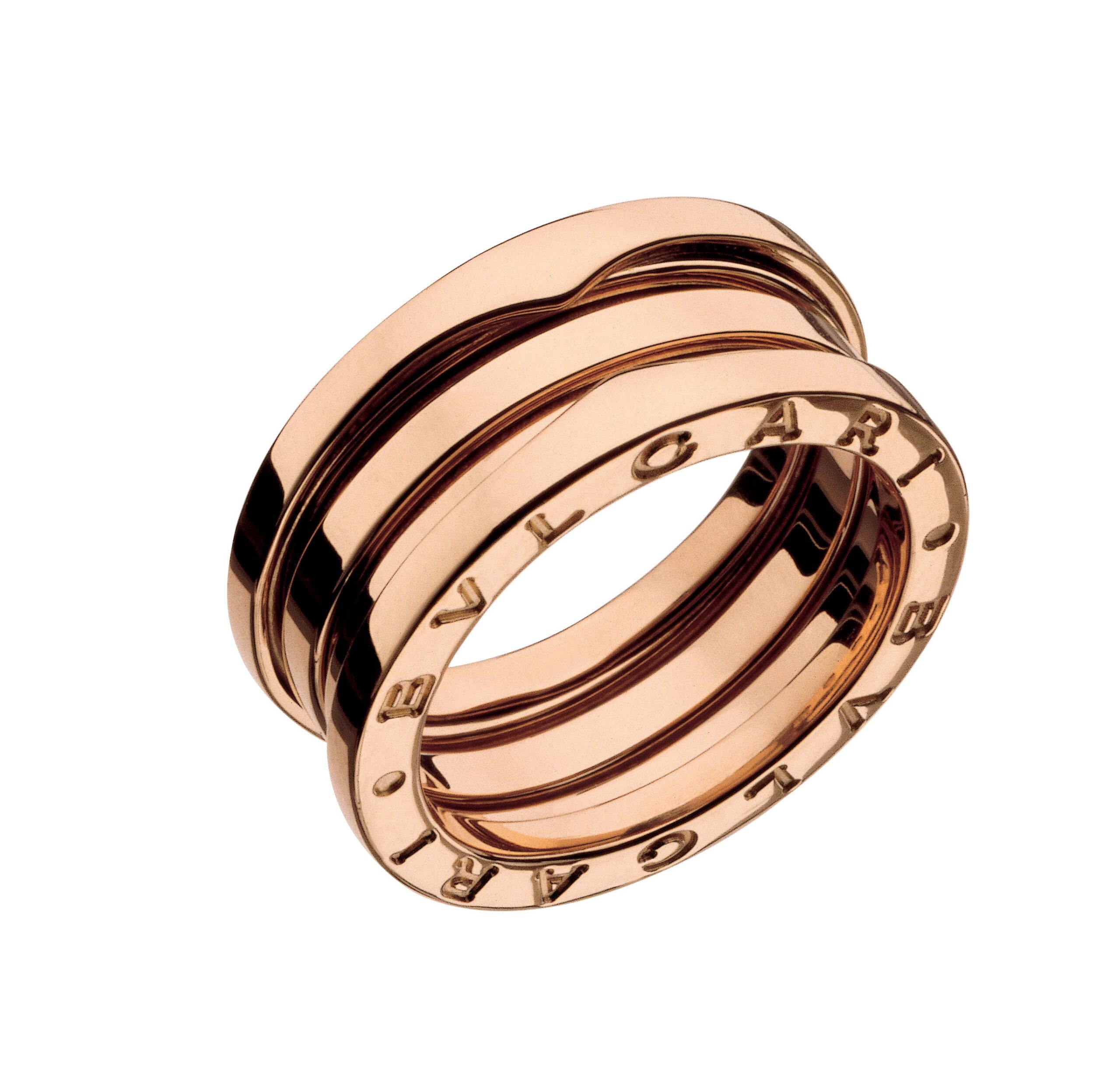
Rose gold has been part of fine jewelry for well over a century, and many of the antique and estate pieces that come through our doors at Charles Schwartz feature rose gold settings that have held up beautifully over time. The metal gets its warm pink color from copper, which is alloyed with pure gold to add both the signature hue and the durability that fine jewelry requires.
Rose gold has seen a significant resurgence in recent years. It works well across a wide range of skin tones and pairs naturally with the entire blush and peach color family. Morganite, pink sapphire, and padparadscha all complement rose gold settings. For clients commissioning Washington DC custom jewelry, rose gold has become one of our most requested metals, particularly for engagement rings and layering pieces. Gold jewelry Washington DC clients commission often reflects a preference for the classic with a contemporary sensibility, and rose gold fits that well.
 Key Takeaways
- Morganite offers an accessible entry point into rose toned fine jewelry, with soft color and availability in larger sizes.
- Pink sapphire is the most durable option and the strongest choice for everyday wear, particularly in engagement rings.
- Padparadscha sapphire is among the rarest and most precisely defined colored gemstones available, with a color unlike anything else in the spectrum.
- Rose gold is a natural complement to all three stones and has a long history in fine jewelry.
- For any significant purchase, ask for full treatment disclosure and, for colored sapphires, request an independent grading report before committing.
Frequently Asked Questions About Pink and Rose Toned Jewelry From DC Jewelers
What is the difference between morganite and pink sapphire?
Morganite and pink sapphire are entirely different mineral species. Morganite is a variety of beryl with a hardness of 7.5 to 8, while pink sapphire is corundum with a hardness of 9. Pink sapphires tend toward more vivid, saturated color, while morganite typically presents in softer, more pastel tones. According to the International Gem Society, morganite has seen a notable rise in popularity and value in recent years.
How do I know if a padparadscha sapphire is genuine?
The only reliable way to confirm a padparadscha designation is through a grading report from an independent gemological laboratory such as the GIA. The GIA Gem Encyclopedia defines padparadscha as a subtle mixture of pinkish orange to orangey pink at low to medium saturation. Stones outside that range do not qualify, regardless of how they are described by a seller. At Charles Schwartz, we are happy to walk clients through any grading report and explain what the classifications mean.
Does rose gold wear down over time?
Rose gold is a durable metal and holds up well with regular care. Like all gold alloys it can show wear over years of daily use, and periodic professional cleaning and polishing will keep gold jewelry Washington DC clients own looking its best. Many of the antique rose gold pieces we see come through our DC jewelers doors have remained in excellent condition over decades with basic maintenance.
Can I find padparadscha or pink sapphire in estate jewelry?
Both stones appear in estate pieces, though padparadscha is considerably rarer in the secondary market. Pink sapphires were a popular choice in fine jewelry throughout the twentieth century, and we occasionally find them in luxury estate jewelry Washington DC collectors bring in for evaluation or resale. The International Gem Society’s guide to pink gemstones is a helpful reference for understanding what to look for when evaluating estate pieces.
Visit Charles Schwartz and Son: Washington DC Custom Jewelry Since 1888
Spring in Washington DC is a short window, but the jewelry inspired by it does not have to be. The blush and rose toned stones in this guide are among the most versatile and enduring in fine jewelry, equally at home in a custom piece designed from scratch, a vintage estate ring reset in a contemporary setting, or a simple pendant worn every day.
Charles Schwartz and Son has been serving Washington DC custom jewelry clients, collectors, and families since 1888.
Whether you are looking for a specific stone, exploring custom jewelry DC options, or simply curious about a piece you have inherited, we welcome you to visit us at our Chevy Chase or Willard Hotel locations.
Sources
- Gemological Institute of America — Morganite Buyer’s Guide
- Gemological Institute of America — Pink Gemstone Buying Guide
- Gemological Institute of America — Morganite Engagement Ring Guide
- Gemological Institute of America — Gem Encyclopedia
- International Gem Society — Morganite
- International Gem Society — Pink Gemstones


