
The heart has been the most enduring symbol of love in jewelry for centuries, but its expression has transformed dramatically across different eras. From the hand-carved Georgian crowned hearts of the 1700s to the geometric precision of Art Deco designs in the 1920s, each period brought its own romantic language to this timeless motif.
Understanding these differences helps you appreciate the craftsmanship and meaning behind antique jewelry, whether you’re considering Washington DC vintage engagement rings, seeking dc heirloom jewelry to pass down, or simply captivated by the romance of vintage pieces.
Why Heart Jewelry Tells Different Stories Across Eras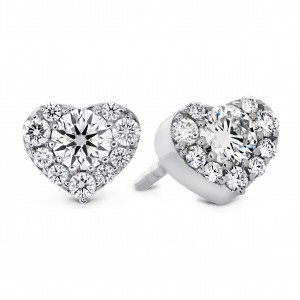
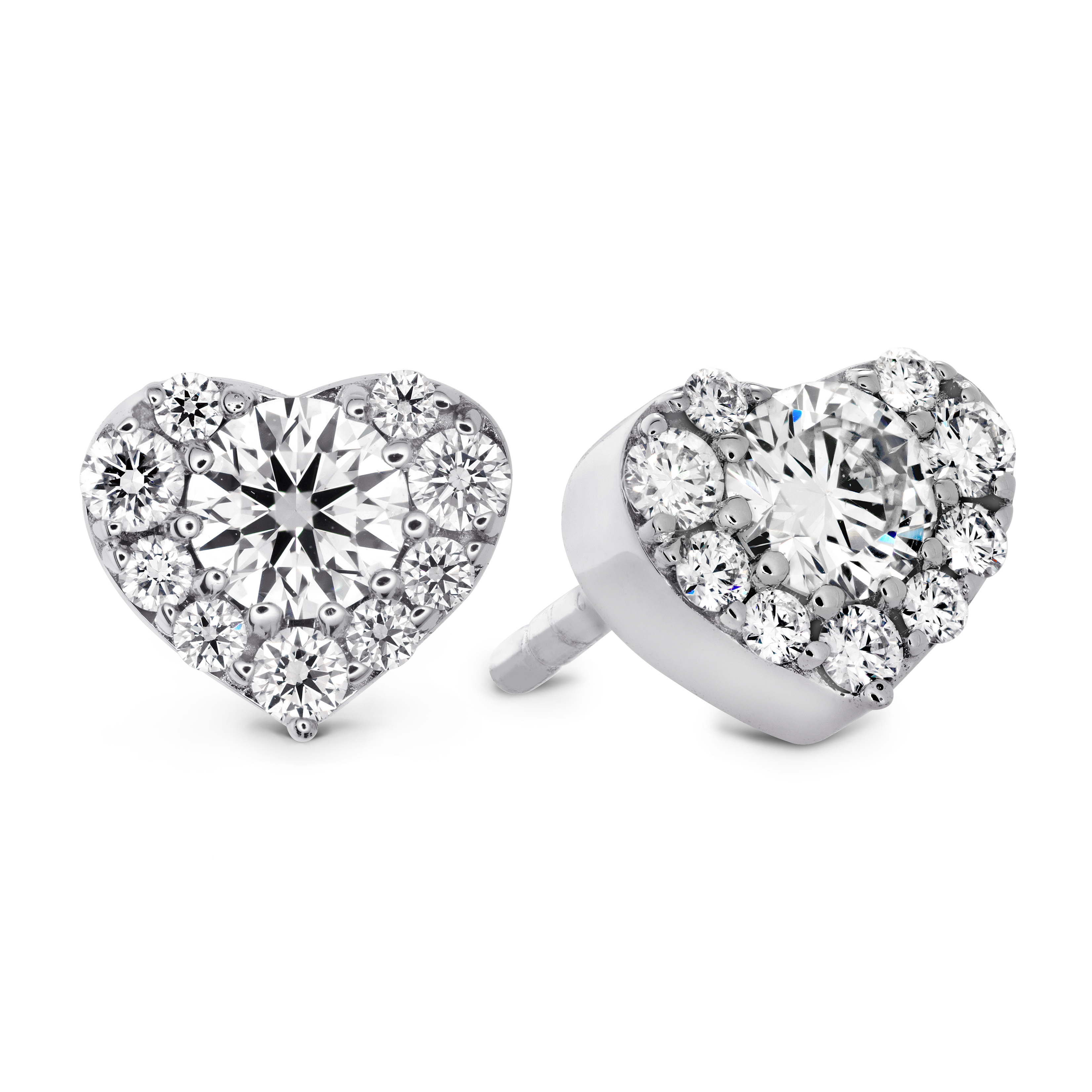
At Charles Schwartz & Son, we’ve spent over a century working with fine jewelry collectors in Washington DC. We see firsthand how heart motifs reveal the values and aesthetics of their time. A Georgian heart ring whispers of candlelit romance and secret meanings. A Victorian locket speaks of enduring devotion and remembrance. An Art Deco heart brooch celebrates modern sophistication while honoring tradition.
These aren’t just pretty designs. Each era’s approach to the heart motif reflects broader cultural shifts in how people expressed love, what they valued in craftsmanship, and how they wanted to be remembered. Let us walk you through the fascinating evolution of heart jewelry across three of history’s most distinctive periods.
Georgian Era Hearts (1714-1837): Romance by Candlelight
Georgian jewelry represents some of the most romantic and symbolically rich pieces in antique jewelry history. During this period, which spanned the reigns of four King Georges, every design element carried meaning. Hearts were never simple shapes but rather complex symbols layered with intention.
The most distinctive Georgian heart motifs included crowned hearts, which Gatsby Jewellery explains declared the wearer to be the ruler of someone’s heart. Double hearts entwined together represented eternal love and the binding of two souls, as The Jewellery Editor notes were traditionally used for betrothal. The witch’s heart, with its tail curving to one side, suggested the giver had been bewitched by love according to Bejeweled Magazine, which documents how these pieces were particularly meaningful in 18th century Scottish culture. These weren’t mass-produced sentiments but individually crafted declarations. Jewellery Discovery confirms that these complex symbols served as a secret language of love in the Georgian and Victorian periods.
Georgian jewelers worked entirely by hand, creating pieces designed to sparkle in candlelight rather than electric illumination. They used foil backing behind gemstones to enhance their fire and brilliance in dim lighting. Rose-cut and old mine-cut diamonds, hand-faceted with delightful irregularity, gave these pieces their characteristic soft glow. As documented by Antique Jewelry University, hearts often appeared alongside other symbolic elements like hands (representing friendship and union), keys (you hold the key to my heart), and flowers (each with its own meaning).
Victorian Era Hearts (1837-1901): Antique Jewelry in DC
Queen Victoria transformed romantic jewelry from an aristocratic luxury into a mainstream expression of love. Her passionate marriage to Prince Albert and her decades of mourning after his death in 1861 shaped an entire era’s approach to sentimental jewelry.
Victorian heart jewelry evolved through three distinct periods. The Romantic Period (1837-1860) celebrated new love with hearts combined with flowers, bows, and nature motifs. The Grand Period (1860-1885) saw darker, more substantial pieces as the Queen’s mourning influenced fashion. The Late Victorian or Aesthetic Period (1885-1901) brought renewed lightness with delicate designs and Renaissance revival influences. Estate Diamond Jewelry notes that Victorian jewelry reflected the sweeping changes and emotions of the era, with motifs that carried deep meaning inspired by the struggles and hopes of the time.
Hearts appeared in countless Victorian forms. Lockets shaped as hearts held miniature portraits, locks of hair, or secret inscriptions. Entwined double hearts on bracelets and brooches declared everlasting love. Crowned hearts continued from the Georgian era but with more refined craftsmanship thanks to improved tools and techniques. The Claddagh ring, featuring two hands holding a crowned heart, became popular as a symbol of love, loyalty, and friendship.
What makes Victorian hearts particularly moving is their emotional honesty. These pieces weren’t shy about sentiment. A heart locket might contain a beloved’s hair woven into an intricate pattern. A mourning brooch might feature a heart in black enamel with the name of a departed loved one. Gatsby Jewellery explains that Victorian jewelry served as a way to speak without words, whether through a forget-me-not brooch or a rose-shaped pendant.
Art Deco Hearts (1920s-1930s): DC Heirloom Jewelry for Modern Romantics
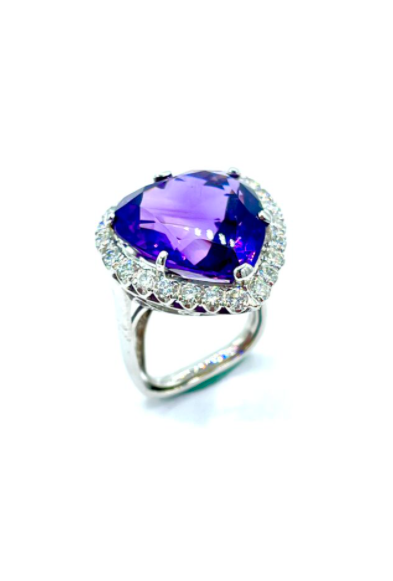 The Jazz Age brought a radical reimagining of the heart motif. Art Deco designers took this ancient symbol and translated it into the language of modernity: clean lines, geometric forms, and bold contrasts.
Art Deco hearts bore little resemblance to their Georgian and Victorian predecessors. Where earlier hearts featured soft curves and organic forms, Art Deco hearts showcased angular precision and architectural qualities. Jewelers set them in platinum and white gold, materials that allowed for incredibly delicate yet strong construction. Diamonds took center stage, often accented with calibrated sapphires, rubies, or dramatic black onyx for contrast. Mozeris Fine Antiques describes Art Deco pieces as distinct for their bold geometric shapes and intricate detailing that marked a pivotal moment in jewelry design history.
The style reflected the era’s excitement about industry, technology, and progress. Think of the Empire State Building or the geometric patterns of a Cubist painting, then imagine those principles applied to a heart-shaped brooch. The result was jewelry that felt both romantic and refreshingly modern.
Art Deco heart jewelry appeared primarily in brooches, bracelets, and pendants rather than rings. Double-clip brooches that could be worn together or separated into individual clips were particularly popular and allowed wearers to adapt their jewelry from day to evening. These convertible pieces reflected the modern woman’s active, multifaceted life. According to GemsnY, Art Deco jewelry showcased dramatic contrast, symmetry, and materials such as jade and onyx that added striking visual impact.
Key Takeaways on DC Heirloom Jewelry
- Georgian hearts (1714-1837) featured complex symbolism like crowned hearts and witch’s hearts, crafted entirely by hand with foil-backed stones designed for candlelight.
- Victorian hearts (1837-1901) emphasized sentiment and emotion, appearing in lockets, mourning jewelry, and pieces that held physical mementos of loved ones.
- Art Deco hearts (1920s-1930s) reimagined the motif with geometric precision, platinum settings, and architectural influences that felt thoroughly modern.
- Each era’s approach to heart jewelry reflects broader cultural values about love, craftsmanship, and personal expression.
Frequently Asked Questions About Washington DC Vintage Engagement Rings and Antique Heart Jewelry
How can I tell if my heart jewelry is truly Georgian, Victorian, or Art Deco?
Authentic period identification requires examining construction methods, materials, stone cuts, and design characteristics specific to each era. According to Antique Jewelry University, Georgian pieces show hand-fabrication marks, foil backing, and irregular rose-cut or old mine-cut stones, while Art Deco pieces feature machine-precise settings, platinum construction, and geometric patterns that reflect 1920s design principles. At Charles Schwartz & Son, our jewelry appraisal Washington DC services include authentication and period verification backed by over a century of expertise with antique jewelry.
What makes Victorian heart lockets special compared to modern lockets?
Victorian lockets were designed as intimate keepsakes that held physical mementos like photographs, locks of hair, or handwritten messages, making each one deeply personal. According to Gatsby Jewellery, Victorian craftsmen created secret compartments with remarkable engineering, often incorporating symbolic elements like flowers or engraved messages on the exterior while the true treasure remained hidden inside. Modern lockets rarely achieve the same level of sentimental craftsmanship or symbolic complexity, which is why Victorian examples remain treasured pieces in dc heirloom jewelry collections.
Discover Fine Jewelry: Washington DC Romantics Treasure at Charles Schwartz & Son
Whether you’re captivated by the secret symbolism of Georgian crowned hearts, moved by Victorian sentiment, or drawn to Art Deco’s modern glamour, antique heart jewelry offers something no contemporary piece can replicate: a tangible connection to the love stories of the past.
As Washington DC’s oldest jeweler with over a century of experience, we understand that choosing antique or vintage jewelry is about more than aesthetics. It’s about finding a piece that resonates with your personal story while honoring the craftsmanship and romance of earlier generations. Bejeweled Magazine captures this sentiment perfectly, noting that antique hearts are ideal gifts to represent friendship, devotion, affection, and romantic and enduring love.
Visit our showroom to explore our collection of authenticated antique jewelry and dc luxury estate jewelry, or let us help you build engagement ring Washington DC designs that incorporate vintage stones or period-inspired details. Our expert staff is here to share the stories behind these remarkable pieces and help you find jewelry that will become tomorrow’s heirloom.
After all, the best love stories deserve jewelry that’s stood the test of time.
Sources
- Victoria & Albert Museum. “Spotlight on the Jewellery Collections.” https://www.vam.ac.uk/articles/spotlight-on-the-va-jewellery-collections
- Antique Jewelry University (Lang Antiques). “Georgian Jewelry: 1714-1837.” https://www.langantiques.com/university/georgian-jewelry-1714-1837/
- The Jewellery Editor. “Meaning of the Heart Motif in Antique Jewellery.” https://www.thejewelleryeditor.com/jewellery/vintage/article/meaning-of-heart-motifs-in-antique-jewellery/
- Bejeweled Magazine. “The Meaning and Symbolism of Heart Jewelry Throughout History.” https://www.bejeweledmag.com/have-a-heart/
- Estate Diamond Jewelry. “The History of 7 Jewelry Eras.” https://www.estatediamondjewelry.com/eras-of-antique-jewelry/
- Sotheby’s. “Awakening the Passion for Antique Jewellery.” https://www.sothebys.com/en/articles/awakening-the-passion-for-antique-jewellery
- Gatsby Jewellery. “Symbolism and Meaning in Victorian Jewellery.” https://gatsbyjewellery.co.uk/blogs/jewellery-symbolism/symbolism-and-meaning-in-victorian-jewellery
- Jewellery Discovery. “Hidden Meaning and Acrostic Antique Victorian Jewellery.” https://jewellerydiscovery.co.uk/knowledge/hidden-meaning-and-acrostic-antique-victorian-jewellery/
- Mozeris Fine Antiques. “Art Deco Era Jewellery: 1920-1935.” https://www.mozerisfineantiques.com/eras-1/art-deco-jewellery-history
- GemsnY Blog. “Vintage to Modern: Georgian, Victorian, Edwardian, Art Deco & Modern Jewelry Eras.” https://blog.gemsny.com/vintage-jewelry-era-georgian-victorian-edwardian-art-deco-modern/


